
Milwaukie Winter Weather Prep Starts Before the First Freeze |
A practical local checklist covers home supplies, safer travel, carbon monoxide risks, warming centers and city response |
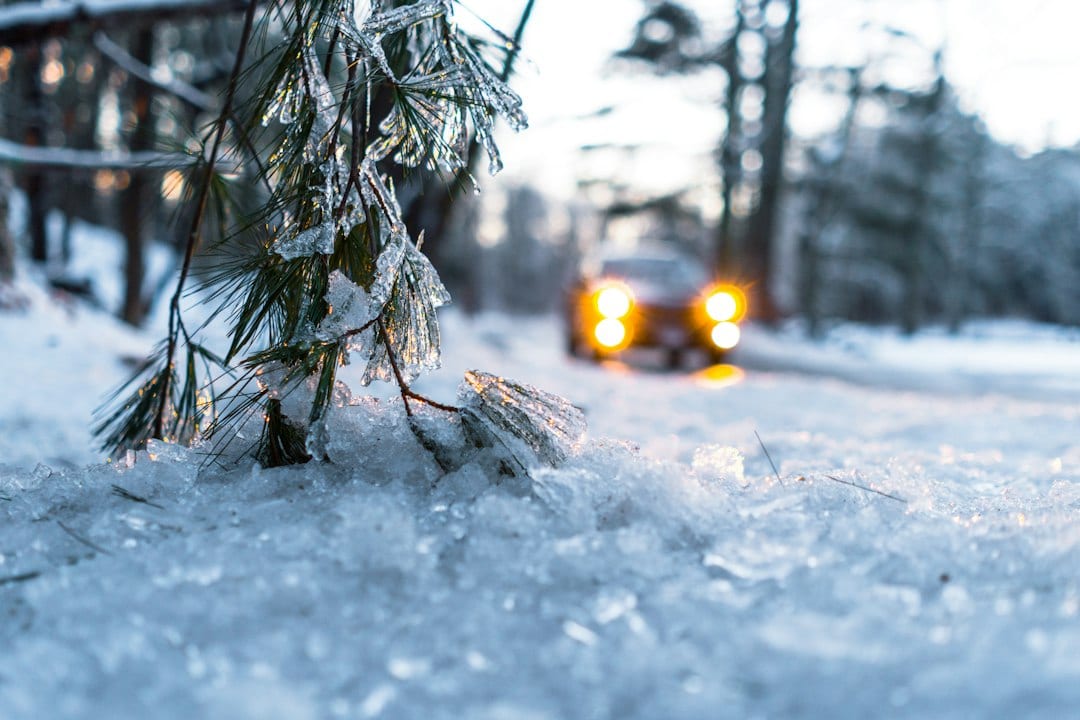
Winter weather usually visits Milwaukie in short bursts, but a few hours of ice, snow, wind, or power loss can disrupt travel and daily routines across the city.
The best time to prepare is before the first forecast sends everyone to the store at once.
The Milwaukie winter weather guide recommends building household supplies and avoiding travel when roads are icy or covered with snow.
A useful home plan begins with drinking water, shelf-stable food, needed medication, flashlights, batteries, warm clothing, blankets, and a safe way to charge essential devices.
Oregon’s Two Weeks Ready guidance offers a broader framework for gradually building supplies without trying to buy everything in one trip.
Households should adapt any checklist for infants, older adults, disabilities, pets, medical equipment, dietary needs, and the possibility that family members are separated when conditions worsen.
A written contact plan matters as much as a box of supplies.
Choose an out-of-area contact, agree on a meeting place, and make sure everyone knows how to receive local alerts.
Power outages deserve their own plan because cold homes, dark intersections, spoiled food, and unavailable charging can become problems long before snow accumulation looks dramatic.
Keep refrigerator and freezer doors closed during an outage, use flashlights instead of candles when possible, and follow the PGE outage map for restoration information.
Never use a barbecue, camp stove, or generator inside a home, garage, or other enclosed space.
Carbon monoxide has no color or smell, and fuel-burning equipment can create a deadly buildup without obvious warning.
The city advises keeping generators and outdoor burning at least 20 feet from inhabited structures and using only fireplaces or woodstoves designed for indoor use.
Working smoke and carbon monoxide alarms should be tested before a storm arrives.
Travel is often the riskiest choice during a brief ice event.
If a trip can wait, staying home gives road crews and emergency responders more room to work.
Drivers who must leave should slow down, increase following distance, clear every window, carry warm layers, and avoid assuming that a wet-looking bridge or shaded street is merely damp.
People walking should use footwear with traction, keep hands available for balance, and watch for refrozen patches near steps, slopes, and curb ramps.
Public Works and Police may work around the clock during significant winter conditions, but no response plan can make every residential street clear at the same time.
Residents should expect priority routes and emergency access to receive attention before quieter local streets.
Anyone who loses heat or needs a safe indoor place should check current Clackamas County relief information, because warming-center openings depend on conditions and staffing.
Do not rely on an old screenshot or last year’s location, since hours and facilities can change with each weather event.
Neighbors can also help by checking on people who may have limited mobility, sharing verified updates, and offering supplies without creating unsafe travel.
Preparation should reduce pressure, not create panic.
Buying one extra item during routine shopping, storing key documents together, and charging backup batteries when a storm watch appears are manageable steps.
The practical goal is simple: stay warm, avoid unnecessary travel, prevent carbon monoxide exposure, monitor official updates, and give your household enough flexibility to wait out a short but disruptive Milwaukie freeze. |
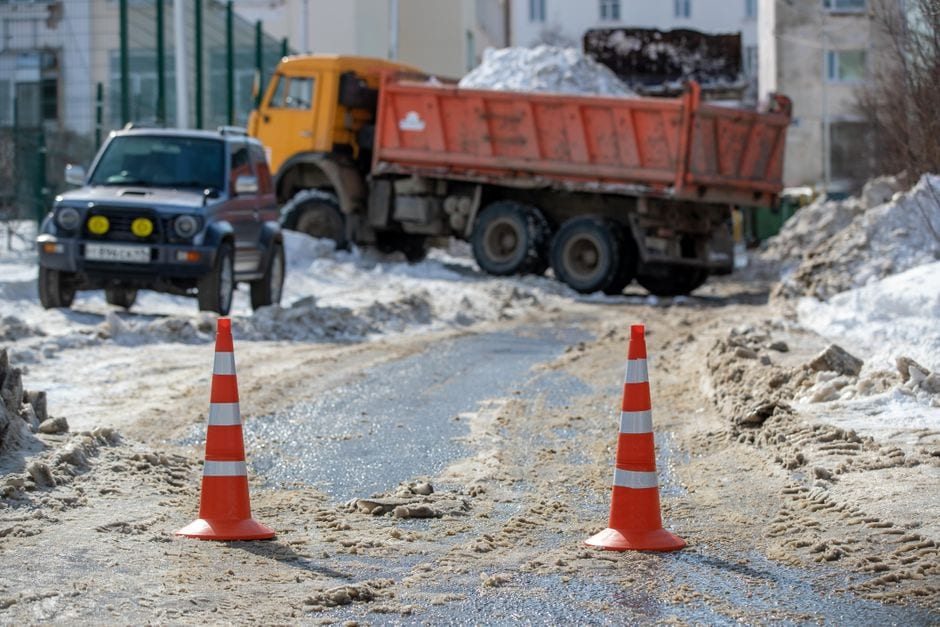 Illustrative stock photo of winter road conditions — Photo by Sergei Starostin on Pexels |
0 Comments
Join the conversation
Be the first to comment
Share your thoughts above.